Small mill / village workshop
Often press-only fits if shelling and roasting already exist. Confirm a 300-325 ton hot press, barrel loading rhythm, and a plate-frame filter. Crude-oil tanks and cake bagging still need a home.
A press alone is not a peanut oil line. Before you compare prices, confirm what each quote actually includes: shelling, roasting, the press class, filtration, storage, and cake handling. This checklist makes the scope visible.
Scope read
Often press-only fits if shelling and roasting already exist. Confirm a 300-325 ton hot press, barrel loading rhythm, and a plate-frame filter. Crude-oil tanks and cake bagging still need a home.
Plan the full line: shelling, cleaning, roasting 160-180°C, multiple press cells, 200-300 mesh filtration, settling tanks, and cake conveying. Throughput is set by the slowest stage, not the press alone.
Cold route ≤60°C on a 355-500 ton press, with cleaner kernels, tighter filtration, clean storage, and bottling. Aflatoxin control (<20 μg/kg) and clarity matter more than headline tonnage.
Before pricing
Avoid rework
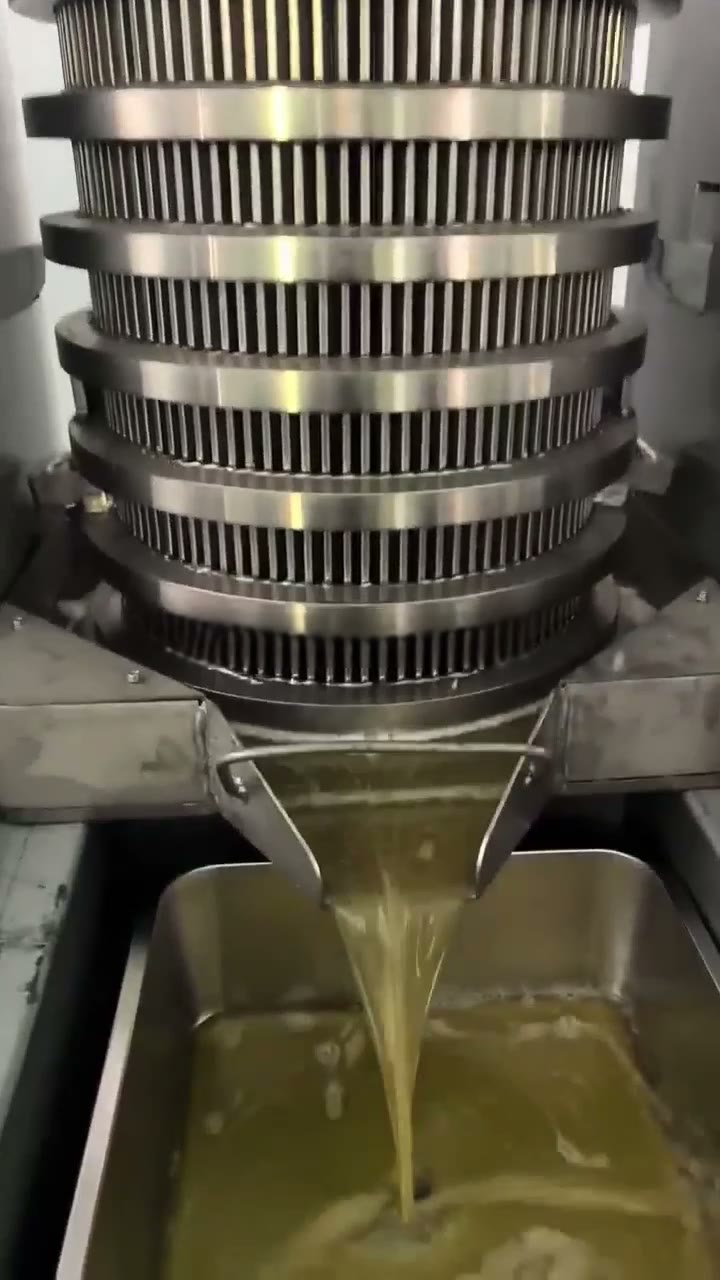
A complete brief turns three rounds of vague follow-up into one accurate quote. Send the four data blocks above together.
Send the 4 data blocks →Project boundary
Peanut Oil Press customer Checklist should not be quoted from an equipment name alone. Check feed lots, target oil, post-press handling, and packing rhythm in one scope before deciding which Peanut Oil Press modules stay. Listed on the factory hot-press page — discuss 300/325 first.
When feed condition, moisture, impurities, batch weight, and product position are unclear, press tonnage and filter area become guesswork. Factory systems share 60 MPa and 2.2 kW motors; hot pure press is 30–40 min/barrel and cold pure press is ~2 h/barrel — cycle time matters more than brochure tonnage.
Factory model check
Pin models to published factory specs before tonnage talk.
Hot 300/325: 300–325 ton, 60 MPa system, standard barrel Ø390×800 mm / max 100 kg, pure press 30–40 min/barrel, ~1.5 h for 2 barrels with loading, 2.2 kW motor. Cold 355/400/426/480/500: 370–630 ton, integrated frame, same 100 kg standard barrel, pure press ~2 h/barrel, ~4.5 h for 2 barrels with loading; optional Ø300 high-pressure barrel max 60 kg. Residual oil target ~≤5% (peanut hot often 6–8% measured).
Equipment check
Once the route is clear, write the interfaces: how preparation feeds the press, how oil leaves the press, how filtration connects to tanks, and how packing receives finished oil.
Record feed form, daily volume, moisture, and sorting needs so pretreatment is not left to operators.
Define pneumatic/plate-frame filtration, tanks, retained samples, and cake offtake before press count. Factory hot lines often use multi-layer paper filters.
Prepare space, power (often 380V/50Hz/3ph), labor, target package, local rules, and acceptance method before quotation.
Feed form plus target output by shift. Whether you start from pods (shell 30-40%) or kernels, and how many kg per shift or barrels per day, together decide press class (300-325 hot / 355-500 cold), cell count, and roaster size.
Press-only works only if shelling, roasting, filtration, storage, and cake handling already exist and match the press throughput. New mills almost always need the line boundary defined, because the bottleneck is rarely the press itself.
Because it changes equipment scope. Food-grade and export peanut oil require color sorting or manual picking plus per-batch testing to stay under the limit (EU <20 μg/kg, US FDA <20 ppb). One contaminated batch can reject an entire shipment.
Related guides
Compare hydraulic batch press vs continuous screw (expeller) for peanut: oil quality, cold-press ability, capacity, residual oil, labor, and when each route wins. Use this before you request a quote.
Size peanut hydraulic capacity with real cycles: hot pure press 30-40 min/barrel (~1.5 h for 2 barrels with loading); cold ~2 h pure / ~4.5 h for 2 barrels. Example math for 1–5 t/day small mills.
RFQ checklist for peanut hydraulic oil press projects: seed form, kg/shift, hot/cold, filtration, cake path, power, country, and photos. Incomplete inquiries get catalog replies — complete packs get model counts and line scope.
2026 factory price bands for peanut hydraulic presses: hot 300/325 about US$2000-5000, cold 355 about US$4000-7000, large cold 400–500 about US$8000-15000+. What drives the quote and how to compare offers.
Send feed condition, target output, post-press destination, and site constraints — we reply with a workable scope.