Pods or shelled kernels
Shelled peanut kernels (oil 44-56%, moisture 5-8%), graded groundnut kernels, or pod-based projects that still need shelling (shell 30-40% of pod).
Peanut · 325 hot / 355–500 cold · yield 45–55%
Confirm pods vs kernels, hot vs cold, aflatoxin and cake path first — then size on the factory line balance: pre-press ~500 kg/h → 5 woks → 5×325, or 355–500 cold.
State whether feed is in-shell pods, shelled kernels, or cleaned graded kernels — that decides shelling scope. Factory hot line: pre-press ~500 kg/h, 5 × electric flat-bottomed wok (~100 kg/batch), 5 × 325 presses (14 partitions, Ø390×800 mm barrel up to 100 kg, pure press 30–40 min, ~1.5 h for 2 barrels with loading), oil yield 45–55% on good kernels, residual oil 6–8%, system 60 MPa, motor 2.2 kW, cylinder 27SiMn. Cold premium uses 355–500 (370–630 ton), pure press ~2 h/barrel, ~4.5 h for 2 barrels. Filter with pneumatic multi-layer paper; keep aflatoxin B1 control and cake offtake in the same brief as model choice.
Why Peanut
Peanut pods contain 30-40% shell and 60-70% kernel. Shelled kernels contain 44-56% oil, 5-8% moisture, 25-30% protein. Optimal pressing moisture is 5-8%; above 10% causes low yield and mold risk, below 4% causes excessive friction and cake brittleness. Aflatoxin B1 (produced by Aspergillus flavus) concentrates in damaged, moldy, or insect-injured kernels. EU limit <20 μg/kg, US FDA <20 ppb. If shelling is weak, kernel size is mixed, moisture drifts between batches, or damaged kernels are not removed, the press will be blamed for problems that actually belong to preparation and aflatoxin management.
Hot pressing is the practical route for most edible-oil plants: roast kernels at 160-180°C to develop flavor and reduce moisture to 3-5%, then press at 80-100°C using 300-325 ton hydraulic presses. Oil yield 40-48% on kernel weight, residual oil 6-8%, batch cycle 30-40 min per 100 kg barrel. Cold pressing for premium bottled oil: ≤60°C with 355-500 ton presses, oil yield 35-42%, residual oil 8-10%, batch cycle 60-90 min. Cold-pressed oil has a smoke point of ~160°C (unrefined), so it is unsuitable for high-heat frying without refining. Refined peanut oil smoke point 230°C. The route must match the market: bulk edible oil → hot press; premium bottled brand → cold press.
Shelled peanut kernels (oil 44-56%, moisture 5-8%), graded groundnut kernels, or pod-based projects that still need shelling (shell 30-40% of pod).
Shelling → cleaning/destoning → grading → roasting 160-180°C (hot) or gentle warming ≤60°C (cold) → hydraulic pressing → plate-frame filtration 200-300 mesh → storage → refining or filling.
Hot routes: 300-325 ton class, 100 kg/barrel, 30-40 min/barrel, oil yield 40-48%. Cold premium routes: 355-500 ton class, 100 kg/barrel, 60-90 min/barrel, yield 35-42%.
Regional edible oil mills (hot press, bulk oil), premium bottled peanut oil brands (cold press, 250-500 ml dark glass), cooperatives, and phased factory upgrades.
Signature · Press route lab
Choose the route by product positioning, not marketing language. Temperature window, tonnage, and batch time decide who you sell to.
Models · 300 / 325
80–100°C pressing · 160–180°C conditioning
Models · 355 / 400 / 426 / 480 / 500
≤60°C end-to-end
Models & line modules
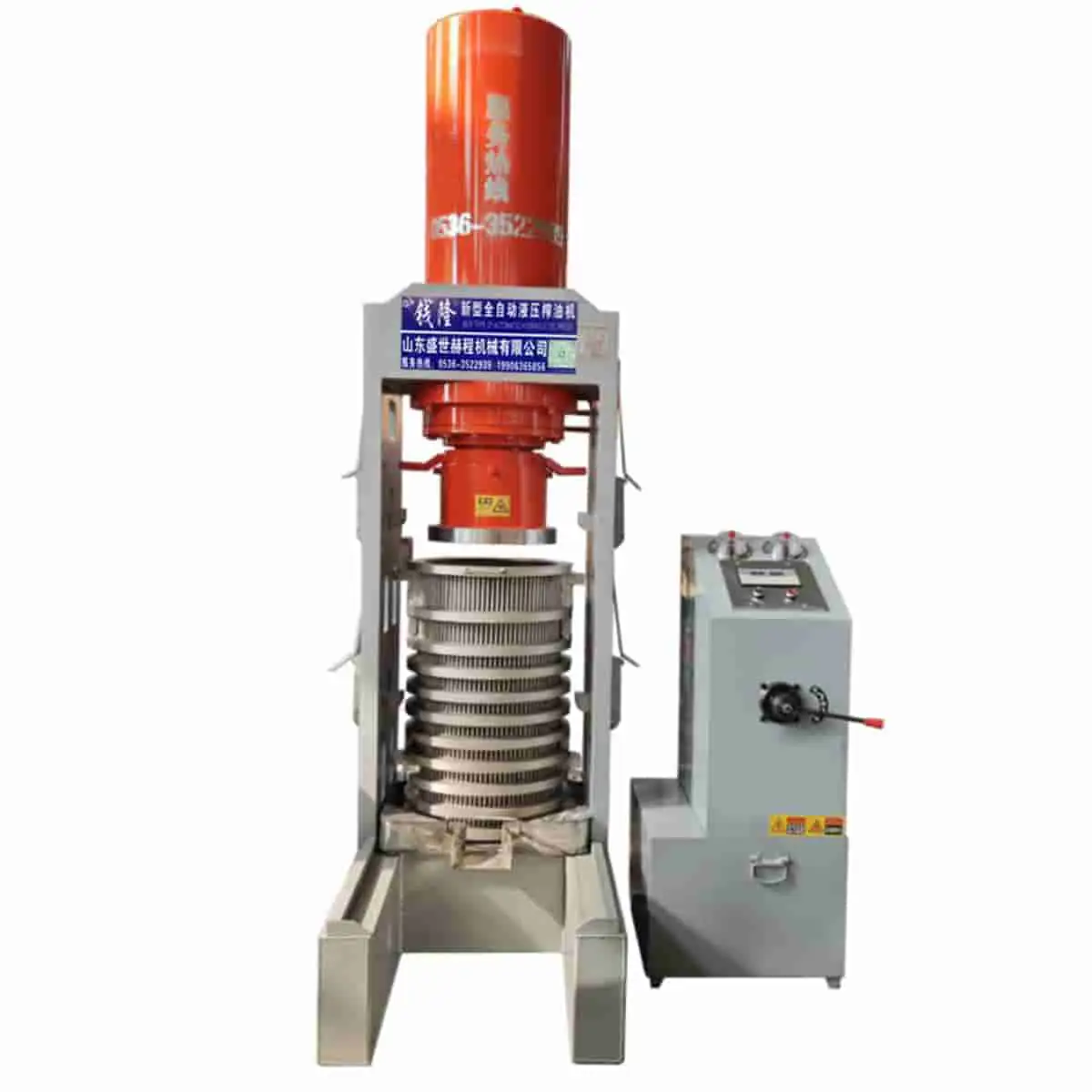
Factory peanut hot line: pre-press ~500 kg/h → 5 × electric flat-bottomed wok (~100 kg each) → 5 × 325 hydraulic presses (14 partitions, Ø390×800 mm barrel, up to 100 kg crushed powder; practical feed often ~60 kg to save load time). Pure press 30-40 min/barrel; ~1.5 h for 2 barrels with loading. Oil yield 45-55% on good kernels; residual oil 6-8%. System 60 MPa, motor 2.2 kW, cylinder 27SiMn. Cold premium: 355-500 series (370-630 ton), pure press ~2 h/barrel, ~4.5 h for 2 barrels, residual oil target ~≤5% on solid cake (premium cold yield lower than hot). Pneumatic multi-layer paper filter after press; optional Filling Machine Series for bottling.
Project path
Before press tonnage is compared, confirm feed condition, route choice, current-phase scope, and the post-press handoff.
Start with feed preparation →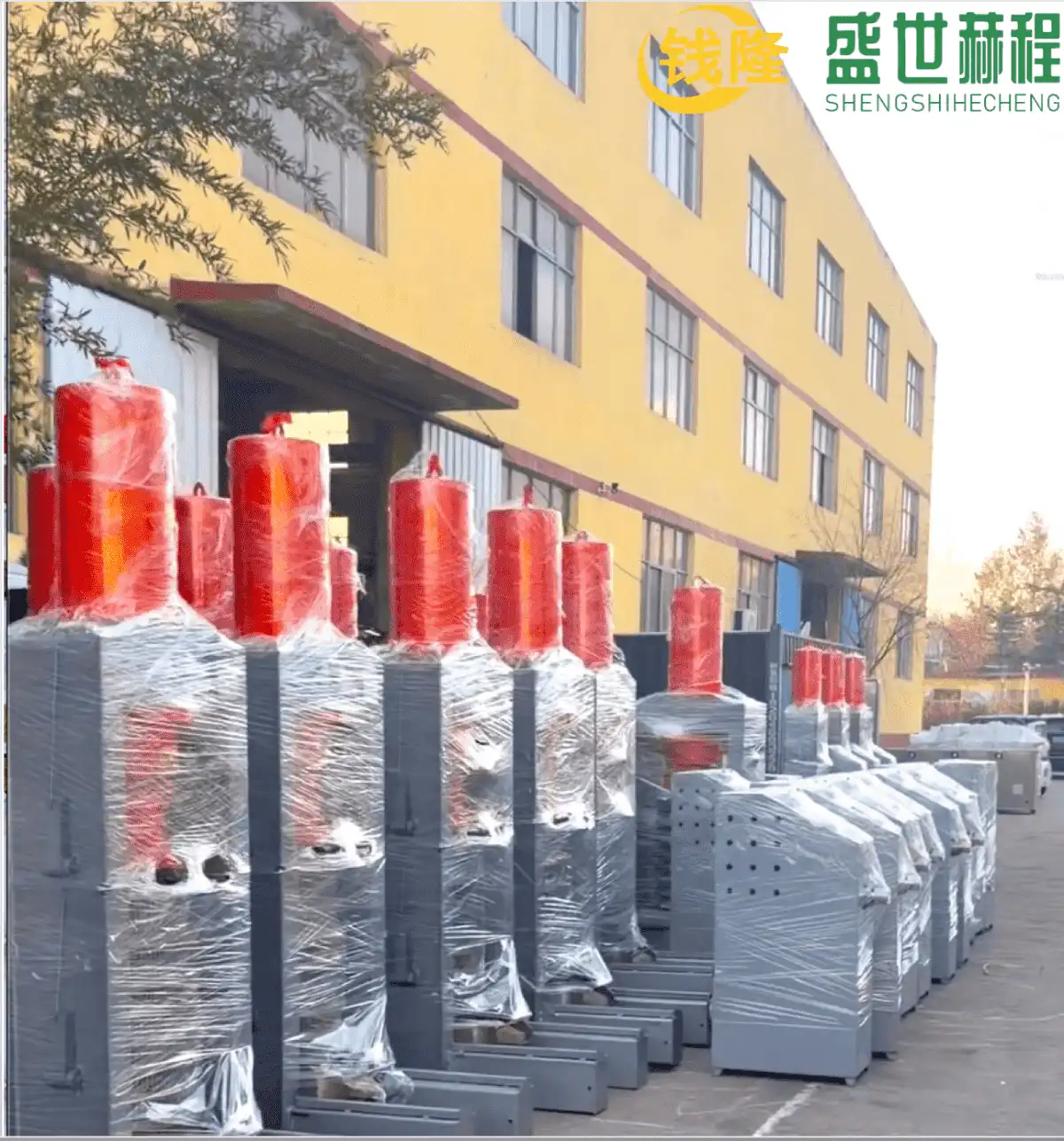
Scope this phase
Many peanut projects do not buy a whole line at once. They upgrade an existing workshop, add filtration, or prepare pipe and tank interfaces for a later refining or filling phase.
Useful when shelling or roasting already exists and the buyer mainly needs a stable loading rhythm plus a clear crude-oil handoff.
A stronger fit when the first phase must include cleaner crude oil, clearer sediment control, and a more usable handoff to tanks.
Even if storage, refining, or filling are deferred, the next interface should be described so the first quotation does not stay abstract.
After pressing
A peanut project feels more credible when filtration, settling, storage, and cake flow appear beside the press instead of hiding inside a later FAQ.
A better fit when appearance, sediment control, or a cleaner handoff to later refining already matter in phase one.
Useful for workshops with existing tank assets, but only if the batch rhythm and holding logic are shown clearly.
If cake is sold, reused, or prepared for later processing, treat it like part of the main line logic instead of waste disappearing off screen.
RFQ pack
A useful project packet brings together feed proof, scope proof, plant proof, and the intended handoff after pressing.
A useful project packet should make scope, layout, and delivery review possible without another round of vague follow-up.
Open the pre-pricing data checklist →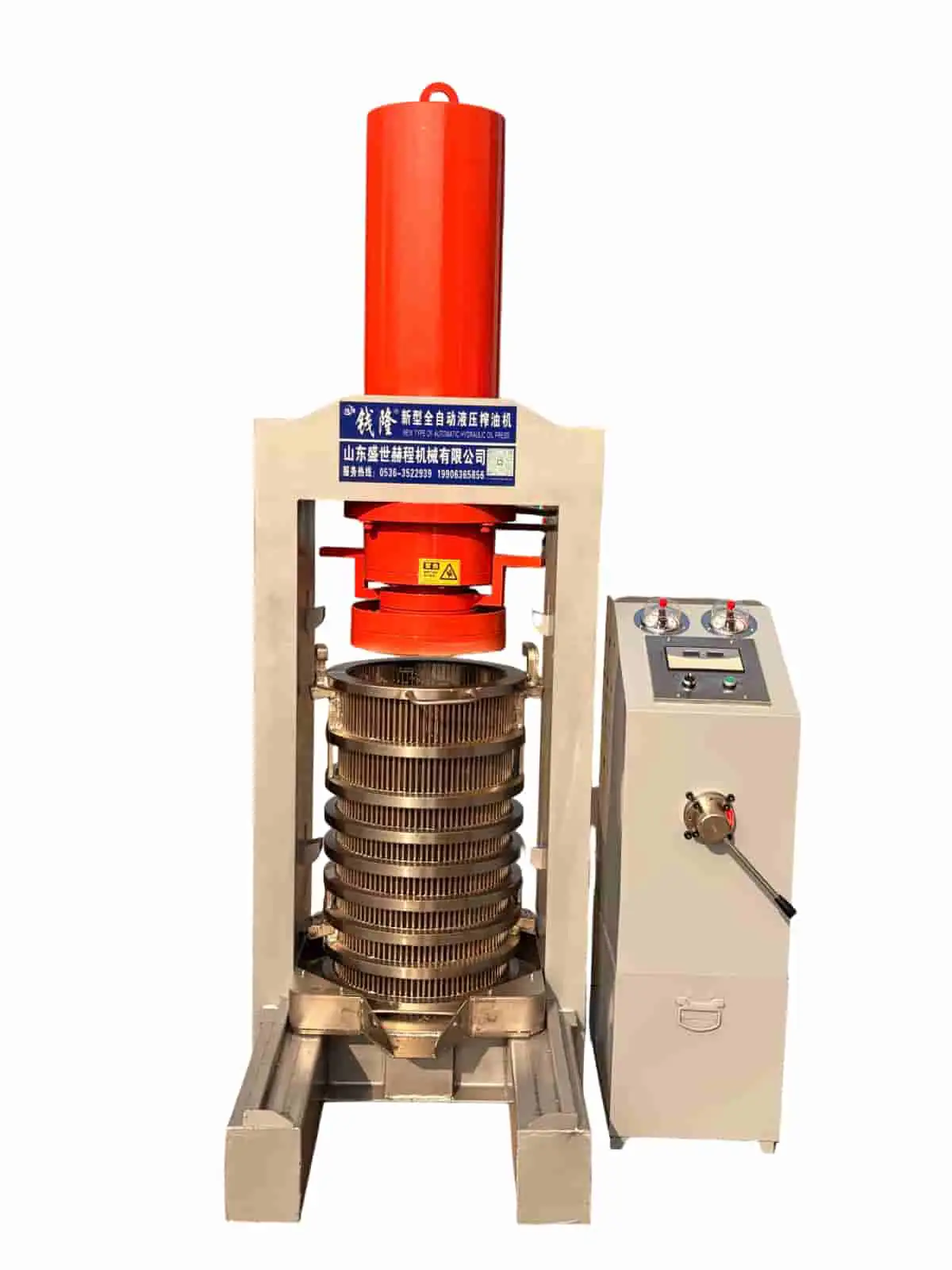
Real equipment & workshop
Common project questions
Yes. Shells are 30-40% of pod weight and contain no oil. Hydraulic pressing works only on shelled kernels. If you have pods, shelling must be in scope. Shelling also generates 30-40% by-product (shells) that need a disposal or sales plan.
Hot pressing is standard for edible-oil plants: roast 160-180°C, press 80-100°C, yield 40-48%, residual oil 6-8%. Cold pressing (≤60°C) is for premium bottled brands: yield 35-42%, residual oil 8-10%, smoke point ~160°C unrefined. Hot press is 2-3× more productive per hour.
Hot press on good kernels (oil 44-56%, moisture 5-8%): oil yield 40-48% of kernel weight, residual oil in cake 6-8%. Cold press: yield 35-42%, residual oil 8-10%. These depend on kernel quality, roast control, press maintenance, and filtration. Aflatoxin-free kernels are essential for food-grade oil.
Daily capacity (kg/shift or barrels/day). Feed form: pods or shelled kernels. Kernel oil content and moisture (tested). Hot or cold route. Aflatoxin control method. Shelling status. Cake plan (feed ingredient, food-grade flour, or waste). Workshop photos and dimensions. Existing roasting, settling, or filtration equipment.
Both are possible, but they are different scopes. Pods require shelling, cleaning, and kernel grading before the press; cleaned kernels can move directly toward roasting or lower-temperature pressing.
Hot pressing fits practical edible-oil projects that value roasted aroma, smoother oil release, and stable shift rhythm. Lower-temperature pressing needs cleaner kernels and stricter post-press handling.
Oil and cake leave the press together in the same shift. If cake is sold, stored, crushed, or used as feed, discharge direction and stacking area should be planned beside oil filtration and storage.
Share feed condition, target output, post-press destination, and site constraints, and we will turn scope into a workable engineering plan.